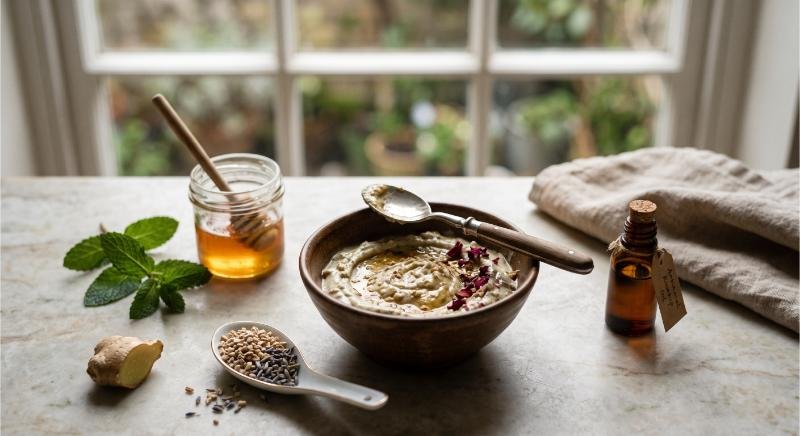
If your skincare cupboard is looking a little empty, there is no need to panic. Some simple ingredients already sitting in your kitchen can be used to create a gentle DIY kitchen face mask for glowing skin. From oats and honey to yoghurt and cucumber, everyday foods can become inexpensive additions to a simple at-home skincare routine.
Of course, a homemade face mask is not a replacement for a well-formulated skincare product or professional treatment. However, when you choose mild ingredients and use them correctly, a kitchen face mask can be a relaxing way to care for your skin without spending a fortune.
The key is to keep things simple. Skin can be surprisingly sensitive, so natural does not automatically mean safe for everyone. In this guide, we will look at easy DIY face mask ideas, how different ingredients may benefit the skin, how to apply them safely and which popular kitchen ingredients are better left off your face.
Why Try a DIY Kitchen Face Mask?
One of the biggest attractions of homemade face masks is convenience. You may already have several suitable ingredients at home, meaning you can prepare a mask in just a few minutes A homemade mask can also make your skincare routine feel more personal. Rather than following a complicated ten-step routine, you can take a little time to prepare a simple mixture, apply it and relax.
Depending on the ingredients you choose, a face mask can help provide temporary hydration, leave the skin feeling softer or gently cleanse away surface impurities. It is important, however, to have realistic expectations. A homemade mask cannot permanently transform your complexion, remove deep wrinkles or cure acne overnight. Think of it as a simple skincare ritual rather than a miracle treatment.
1. Oatmeal and Honey Face Mask
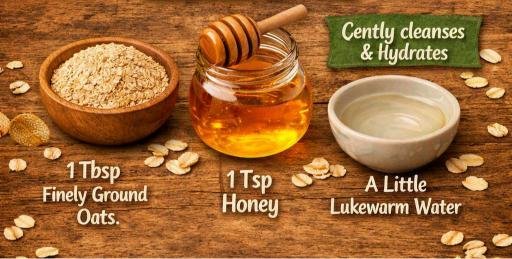
Oats are one of the most useful kitchen ingredients for a simple homemade face mask. Finely ground oats can provide gentle cleansing and exfoliation without the rough texture associated with some physical scrubs.
Honey is naturally rich in sugars and has humectant properties, meaning it can help attract and retain moisture on the skin’s surface. It can also make the mask feel soothing and comfortable.
What You Need
- 1 tablespoon finely ground plain oats
- 1 teaspoon honey
- A little lukewarm water
Transitioning your daily routine to non-toxic products is much simpler once you learn the basics in Understanding Clean Beauty.”
How to Make It
Mix the oats and honey in a clean bowl. Add a few drops of lukewarm water until you have a soft, spreadable paste. Apply a thin layer to clean skin, avoiding the eye and lip areas. Leave it on for around 10 minutes before rinsing gently with lukewarm water.
Do not scrub aggressively while removing it. Pat your face dry with a clean towel and follow with your usual moisturiser. This can be a particularly appealing option when your skin feels dry or uncomfortable, although anyone with a known oat or honey allergy should avoid it.
2. Plain Yoghurt Face Mask
Plain, unsweetened yoghurt is another popular kitchen ingredient for homemade skincare. Yoghurt contains lactic acid, an alpha hydroxy acid (AHA), although the concentration and formulation of yoghurt are not designed or standardised like dedicated skincare products.
For that reason, yoghurt should be treated as a simple home treatment rather than a substitute for a professionally formulated exfoliating product.
What You Need
- 1 tablespoon plain, unsweetened yoghurt
Simply spread a thin layer over freshly cleansed skin and leave it for approximately 5–10 minutes. Rinse thoroughly with lukewarm water. Avoid flavoured yoghurt, products containing added sugar or anything with additional ingredients that may irritate your skin.
If you have sensitive skin, this may not be the best option. Always patch test first.
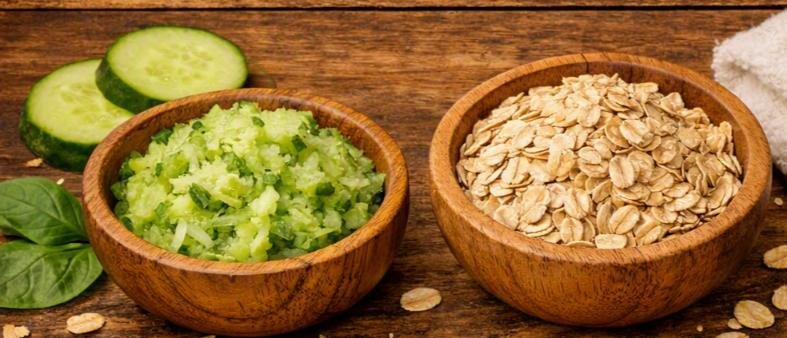
3. Cucumber and Oat Face Mask
Cucumber has a high water content, which is why it is often associated with a fresh, cooling skincare experience. While placing cucumber on your face will not magically eliminate dark circles or change your skin permanently, it can feel refreshing.
Combining cucumber with finely ground oats creates a simple mask that can be pleasant when your skin feels hot or tired.
Ingredients
- 2 tablespoons finely grated cucumber
- 1 tablespoon finely ground plain oats
Mix the ingredients until they form a loose paste. Apply it to clean skin and leave for around 10 minutes. Rinse with cool or lukewarm water and gently pat your face dry. Because cucumber can be messy, you may want to apply this mask while sitting somewhere comfortable rather than walking around the house.
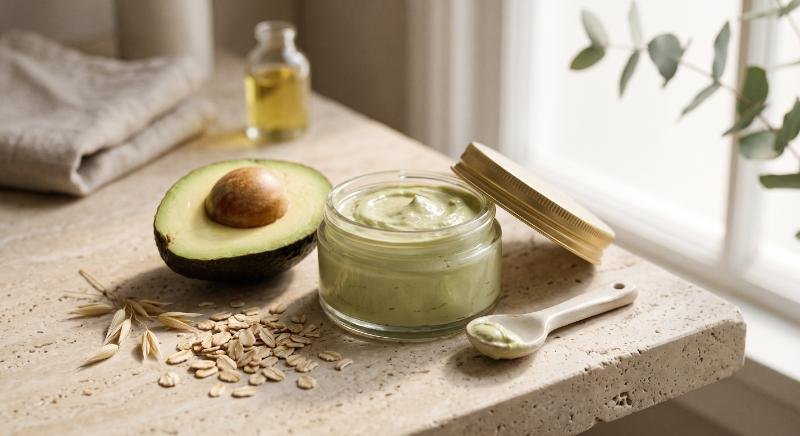
4. Avocado and Oat Face Mask for Dry Skin
Avocado contains fats and other nutrients, making it a popular ingredient in homemade beauty recipes. When mashed and combined with oats, it produces a creamy mask that can leave dry skin feeling soft.
Ingredients
- 2 tablespoons ripe avocado
- 1 tablespoon finely ground oats
- A small amount of lukewarm water if needed
- Mash the avocado until smooth, then stir in the oats. Add a tiny amount of water if the mixture is too thick.
- Then apply a thin layer and leave it on for approximately 10 minutes. Rinse carefully and moisturise afterwards.
- But if you are prone to clogged pores or breakouts, you may prefer one of the lighter recipes instead.
5. Honey and Aloe-Inspired Hydrating Mask
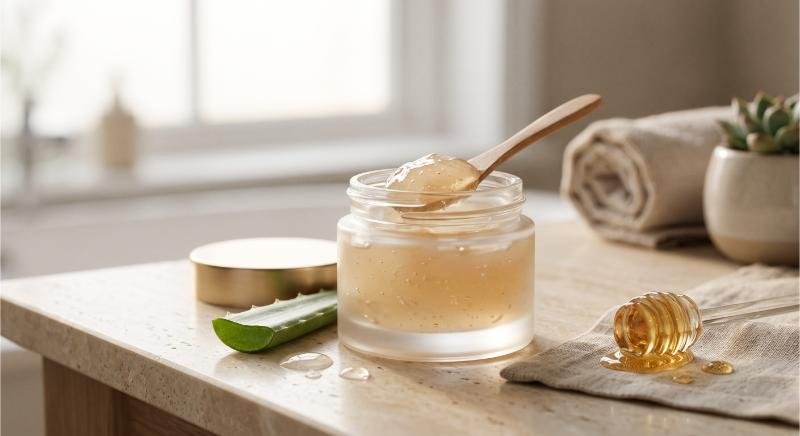
Aloe vera is commonly used in skincare because of its cooling and moisturising feel. If you have a suitable cosmetic-grade aloe vera gel at home, you can combine a small amount with honey for a simple hydrating mask.
Try This Simple Combination
- 1 tablespoon suitable aloe vera gel
- 1 teaspoon honey
Mix the ingredients and apply a thin layer to clean skin. Leave for approximately 10 minutes and rinse thoroughly. When using aloe vera, choose a product intended for skin rather than assuming that any aloe product is suitable for facial use. Check the ingredients and avoid anything containing alcohol, fragrance or other ingredients that you know irritate your skin.
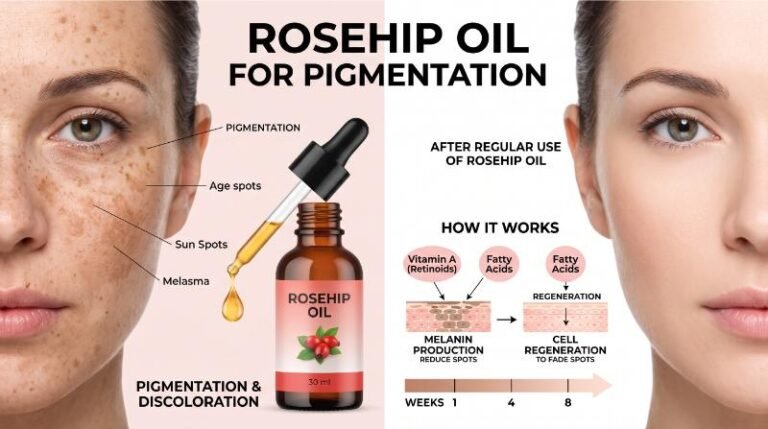
Fading stubborn discoloration doesn’t always require harsh synthetic chemicals, as we explain in our detailed post on Rosehip Oil for Pigmentation.
How Often Should You Use a DIY Face Mask?
More is not necessarily better. For most people, using a simple homemade face mask once a week is enough. If the mask contains potentially exfoliating ingredients, such as yoghurt, using it too frequently could leave some people’s skin feeling dry, tight or irritated.
Pay attention to how your skin reacts rather than following a rigid schedule. If your face feels uncomfortable, burns, becomes unusually red or develops a rash after using a mask, rinse it off immediately and stop using that recipe.
Always Patch Test First
One of the most important rules for homemade skincare is to patch test. Before applying a new mixture to your entire face, place a small amount on an inconspicuous area of skin. Wait and monitor the area for signs of irritation. This is especially important if you have sensitive skin or known allergies.
Remember that kitchen ingredients are not manufactured specifically for facial skincare. Their purity, concentration and formulation can vary considerably, so even an ingredient that seems gentle may not suit everyone.
Kitchen Ingredients You Should Avoid on Your Face
The internet is full of DIY skincare recipes, but not every popular suggestion is a good idea.
Lemon Juice
Lemon juice is sometimes promoted as a natural way to brighten the skin. However, citrus juice can irritate the skin and may increase sensitivity to sunlight. It is best left out of homemade facial masks.
Baking Soda
Baking soda is alkaline and can disrupt the skin’s natural environment. Using it as a facial scrub or mask may cause dryness and irritation, particularly if your skin barrier is already compromised.
Undiluted Apple Cider Vinegar
Apple cider vinegar is another common DIY beauty ingredient. Applying it directly to facial skin can cause irritation or even burns. There are safer, more predictable skincare products available, so it is not necessary for a homemade face mask.
Cinnamon
Cinnamon may smell wonderful in the kitchen, but that does not make it suitable for your face. It can cause irritation and contact reactions in some people.
How to Make Your DIY Face Mask More Hygienic
Homemade skincare should be prepared with cleanliness in mind. Always wash your hands before preparing the mask and use a clean bowl and spoon. Avoid storing leftover mixtures containing fresh food ingredients for later use. Because homemade masks generally do not contain preservatives, bacteria can multiply over time.
Prepare only the amount you need and discard any leftovers. It is also sensible to keep your hair away from your face while applying the mask. A simple hairband or towel can help prevent the mixture from getting into your hair.
What to Do After a Face Mask
Your skincare routine does not need to become complicated after using a homemade mask. Once the mask has been removed, gently pat your skin dry rather than rubbing it. Apply a moisturiser suitable for your skin type to help keep your skin feeling comfortable.
If you are heading outside during the day, remember to use a broad-spectrum sunscreen with an appropriate SPF. Sun protection is much more important for long-term skin health than any occasional homemade mask.
DIY Face Masks for Different Skin Types
There is no single face mask that works perfectly for everybody.
If your skin is dry, an oat and honey or avocado and oat mask may be more comfortable.
If your skin feels normal, you can experiment with simple recipes while keeping an eye out for irritation.
If your skin is oily or blemish-prone, avoid heavy mixtures and aggressive scrubbing. A gentle skincare routine is generally preferable to repeatedly trying harsh DIY treatments.
If your skin is sensitive, keep the ingredient list short. Avoid fragrances, essential oils, citrus juice and abrasive ingredients, and always patch test.
If you have persistent acne, eczema, rosacea or another skin condition, it is better to speak with a GP, pharmacist or qualified healthcare professional rather than relying on homemade masks.
A Simple Weekly DIY Skincare Routine
You do not need a kitchen full of ingredients to enjoy an occasional face mask.
A straightforward routine could look like this:
- Step 1: Cleanse your face using a gentle cleanser.
- Step 2: Apply your chosen DIY mask in a thin layer.
- Step 3: Relax for around 5–10 minutes.
- Step 4: Rinse gently with lukewarm water.
- Step 5: Apply a suitable moisturiser.
- Step 6: During the daytime, finish with sunscreen.
Keeping the routine simple reduces the temptation to over-exfoliate or combine too many ingredients.
Our Verdict
A DIY kitchen face mask for glowing skin can be an enjoyable, affordable addition to a simple beauty routine. Ingredients such as oats, honey, cucumber, avocado and plain yoghurt can be used in straightforward recipes, provided they are suitable for your skin and handled hygienically.
The most important thing is to avoid believing that natural ingredients are automatically harmless. Lemon juice, baking soda, undiluted vinegar and other strong DIY ingredients can do more harm than good.
Healthy-looking skin comes from consistent everyday care rather than one magical treatment. Gentle cleansing, moisturising, sensible skincare choices, adequate sun protection and a healthy lifestyle all play a much bigger role than an occasional homemade mask.
So, next time you fancy a little at-home pampering, take a look in the kitchen—but keep your recipe simple, patch test first and listen to what your skin is telling you.
If you prefer a more mindful, earth-friendly approach to your self-care routine, check out all the latest guides and tips in our Natural Wellness section.